
Sustainable Manufacturing in Furniture Hardware: A Global Perspective

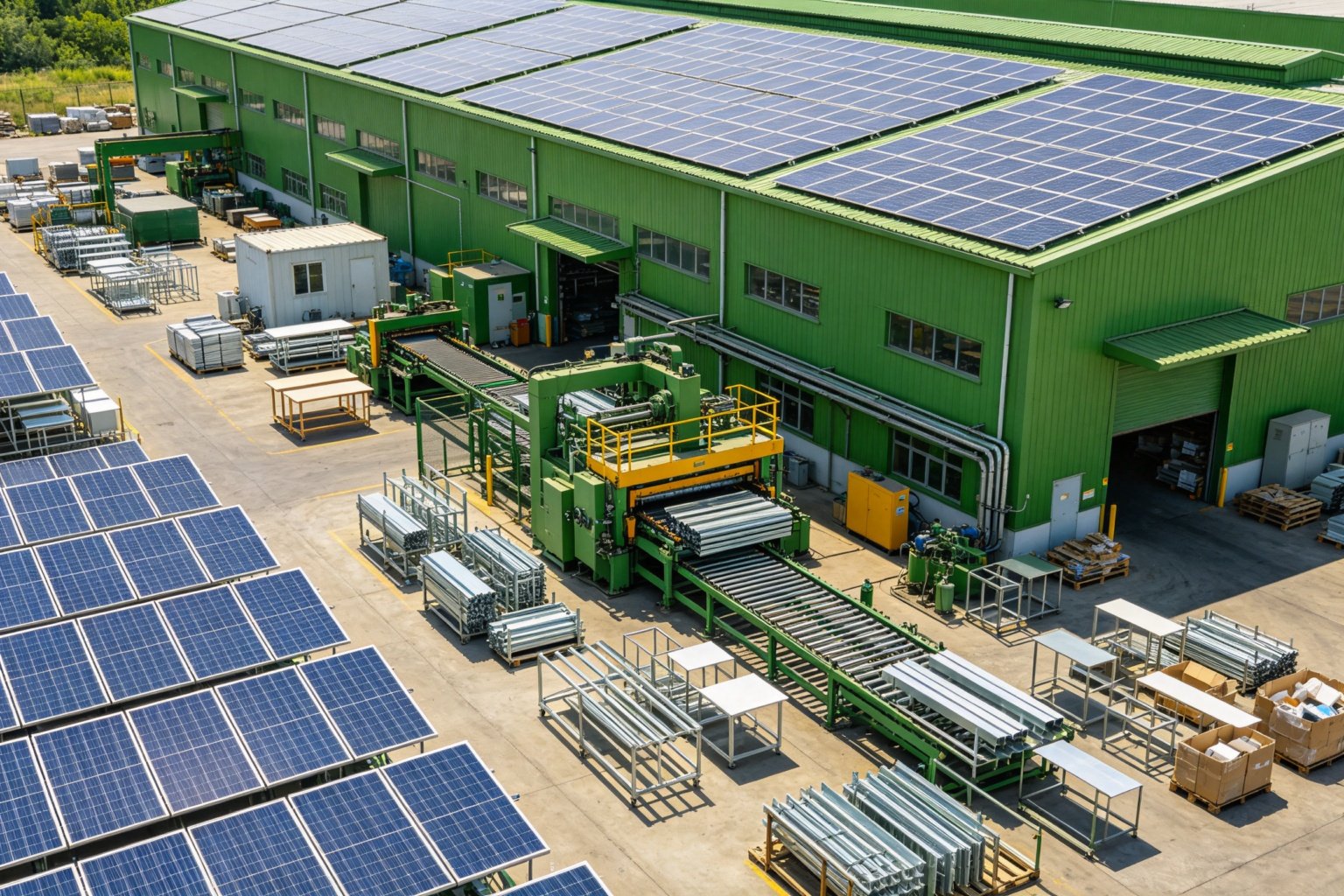
As environmental concerns grow globally, the furniture hardware industry is embracing sustainable manufacturing practices. From raw material sourcing to production processes and end-of-life recycling, sustainability is reshaping how commercial furniture components are made. This article explores the current state and future of sustainable manufacturing in furniture hardware.

The Drive Toward Sustainability
Regulatory pressures, consumer demand, and corporate responsibility are driving the shift toward sustainable manufacturing. Governments worldwide are implementing stricter environmental regulations, while customers increasingly prefer suppliers with demonstrated environmental commitments. Companies that embrace sustainability gain competitive advantage and future-proof their operations.
Key Sustainable Practices
- Energy Efficiency: Modern facilities use LED lighting, high-efficiency machinery, and renewable energy sources like solar power
- Material Recycling: Metal scrap from production is collected and recycled, reducing waste and conserving resources
- Water Conservation: Closed-loop water systems reduce consumption and prevent pollution
- Low-VOC Finishes: Powder coating and eco-friendly finishes minimize harmful emissions
- Green Certifications: ISO 14001 environmental management systems demonstrate commitment to sustainability
OneNest Furnitech’s Green Commitment
At OneNest Furnitech, sustainability is integrated into our operations. Our Ergonomics & Intelligent Motion Division in Jintan Economic Development Zone operates under strict green sustainable development protocols. We hold ISO 14001 certification for environmental management and continuously invest in cleaner production technologies. Our facilities implement energy-efficient equipment, material recycling programs, and waste reduction initiatives.
The Business Case for Sustainability
Sustainable manufacturing is not just environmentally responsible—it makes good business sense. Energy and material efficiency reduce operating costs. Green certifications open doors to eco-conscious clients and government contracts. Sustainable practices also improve brand reputation and employee morale. As the industry evolves, companies that prioritize sustainability will be best positioned for long-term success.